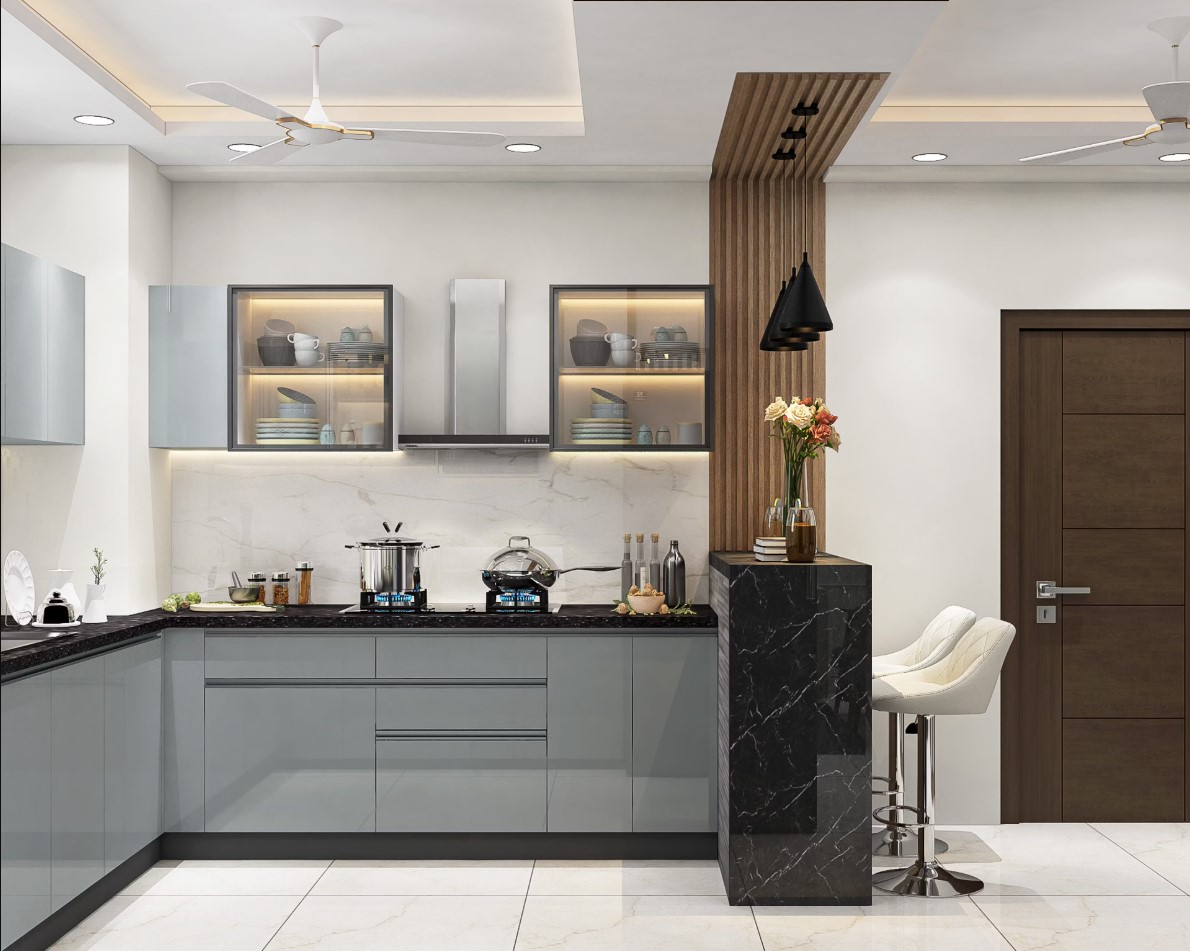
Scandinavian design has long been celebrated for its elegant simplicity, practical functionality, and deep connection to nature. In the realm of kitchen design, it creates serene, clutter-free environments that prioritize everyday living. Design essentials such as clean lines, natural materials, and abundant light form the foundation of this approach, making it ideal for modern homes seeking calm amid busy lifestyles. As we move through 2026, Scandinavian kitchen design continues to evolve with warmer tones, tactile textures, and sustainable innovations, yet it remains rooted in minimalism and hygge—the Danish concept of cozy well-being.
This comprehensive guide explores every aspect of incorporating Scandinavian design into your kitchen. From core principles to the latest 2026 trends and practical implementation tips, you will discover how to achieve a space that feels both inviting and highly efficient. Whether you are renovating a small apartment kitchen or designing a spacious family hub, these insights deliver updated, actionable information for creating a truly harmonious environment.
The origins of Scandinavian design trace back to the early 20th century in Denmark, Sweden, Norway, Finland, and Iceland. Influenced by long, dark winters and a cultural emphasis on equality and functionality, the style emerged as a reaction to ornate Victorian aesthetics. Pioneers like Alvar Aalto and Arne Jacobsen championed organic forms, natural woods, and democratic design accessible to all. In kitchen design, this philosophy translates to spaces where form follows function without sacrificing beauty. Design essentials focus on light maximization, durable materials that age gracefully, and layouts that encourage social interaction rather than isolation.
Core principles include minimalism, which eliminates unnecessary ornamentation; functionality, ensuring every element serves a purpose; and sustainability, favoring responsibly sourced woods and low-impact finishes. Natural light plays a starring role, with large windows and reflective surfaces amplifying scarce Nordic sunlight. These elements create kitchens that feel open, airy, and welcoming year-round. In 2026, the style blends seamlessly with Japandi influences—merging Scandinavian restraint with Japanese zen—for even greater emphasis on earthy calm and mindful living.
When it comes to design essentials in Scandinavian kitchen design, color palettes set the tone. Classic neutrals dominate: crisp whites, soft grays, creamy beiges, and pale taupes form the base, reflecting light and creating an illusion of spaciousness. In 2026, designers are introducing subtle warmth through muted earth tones such as clay, sand, sage green, and buttery yellow accents. These updates prevent the all-white look from feeling cold while maintaining serenity. For example, pairing off-white cabinetry with golden oak accents adds depth without overwhelming the minimalist aesthetic.
Materials are another cornerstone. Light timbers like oak, birch, and ash feature prominently for their natural grain and warmth. In current trends, mid-tone woods such as smoked walnut and toasted ash are rising, offering richer character while staying true to Scandinavian roots. Countertops favor matte quartz, limestone, or leathered granite for tactile appeal and durability. Backsplashes often use textured tiles or seamless stone to enhance light diffusion. Flooring typically consists of wide-plank light wood or large-format porcelain tiles in neutral shades, providing easy maintenance and visual continuity.
Lighting design essentials deserve special attention. Layered illumination combines ambient natural light with task lighting over work zones and soft accent fixtures for evenings. Pendant lights in matte black or brushed brass, simple wall sconces, and under-cabinet LEDs create a warm glow that enhances the hygge feeling. Open shelving is a hallmark, displaying curated ceramics, glassware, and greenery while promoting organization. This storage solution doubles as decor, aligning perfectly with the less-is-more ethos.
Storage solutions form critical design essentials in Scandinavian kitchens. Integrated, handleless cabinets with flat-panel or slim Shaker doors keep surfaces clean and streamlined. Pull-out drawers, hidden pantries, and custom organizers maximize every inch, eliminating visual clutter. In 2026, fluted wooden doors and thin colored lacquers on wood add subtle texture and personality—think forest green or dusky mauve finishes that reveal the wood grain beneath. These innovations blend craftsmanship with modernity, making kitchens both beautiful and practical.
Applying Scandinavian design to kitchen layouts requires thoughtful planning. The classic U-shaped or L-shaped configuration works best for efficient workflow, often incorporating a central island for prep and casual dining. Islands in 2026 frequently adopt furniture-like details, such as wooden legs or integrated seating, softening the minimalist lines. Islands also serve as room dividers in open-plan homes, maintaining flow while defining zones. To enhance functionality, position sinks near windows for natural light during dishwashing, and keep appliances integrated or panel-ready to preserve clean aesthetics.
Ventilation and appliances follow the same functional ethos. Sleek, built-in hoods and energy-efficient refrigeration blend seamlessly. Smart technology appears subtly in 2026 designs—voice-activated faucets, induction cooktops with minimal profiles, and app-controlled lighting—without disrupting the organic feel. Plants bring biophilic elements indoors: herbs on windowsills, trailing vines on shelves, or potted olive trees in corners add life and freshness while purifying air.
Current trends for 2026 refine Scandinavian kitchen design further. Warm and mid-tone wood shades are overtaking pale timbers, creating inviting depth. Thin colored lacquers on wood deliver sophisticated contrast, while pastel finishes in powder blue or sage pair beautifully with light timbers for family-friendly spaces. Earthy tones and natural textures dominate palettes, layered with stone, linen, and hand-finished metals. Wooden fluted doors and modern Shaker styles in oak provide rhythmic texture, especially on islands. Leathered worktops and matte stainless steel accents introduce tactile luxury and durability.
Scandi elegance merges with French charm for subtle sophistication, while Japandi influences emphasize harmony through clay, sand, and limestone. Shiny metallic details and textured glass (hammered or antique) add lightness without excess. These updates ensure Scandinavian kitchens remain relevant, blending timeless principles with contemporary needs like sustainability and wellness-focused living.
Practical tips help homeowners achieve this look affordably. Start with a neutral base and layer warmth gradually. Choose quality over quantity—invest in solid wood cabinetry that lasts decades. Maximize natural light with sheer curtains or no window treatments where possible. Incorporate textiles like linen runners and wool throws for softness. Declutter regularly to honor the minimalist spirit. For smaller kitchens, mirror backsplashes or glossy surfaces amplify light and space. Consult professionals for custom solutions that fit your lifestyle perfectly.
The benefits of Scandinavian kitchen design extend beyond aesthetics. These spaces promote calm and efficiency, reducing stress during meal preparation. Natural materials and thoughtful layouts support healthier living by encouraging fresh cooking and family gatherings. Sustainability aligns with eco-conscious values, while timeless appeal ensures the design never dates, protecting your investment. In 2026, with rising focus on mindful homes, this style delivers enduring value.
In conclusion, Scandinavian design, when masterfully applied to kitchen design, exemplifies the perfect balance of form and function through essential principles. By embracing updated 2026 elements like warmer woods, tactile finishes, and biophilic touches, you create a kitchen that nurtures daily life. Whether exploring fresh inspirations or refining existing spaces, these design essentials guide you toward a home that feels authentically yours—serene, practical, and beautifully timeless.
Explore more kitchen inspiration Latest interior trends Design essentials guide Modern home updates Functional living spaces Timeless style ideas Minimalist approaches Current design news Fresh releases in decor Guest design insights Local style tips Writer’s take on kitchens Knowledge on interiors Social design pilots Blog results for homes Article on essentials Living writings on style Roads to better design Zone for healthy homes Body and mind spaces Coach your kitchen Guide to living well All-rounder trends Business press on design Media wave for homes Magazine talks on style